
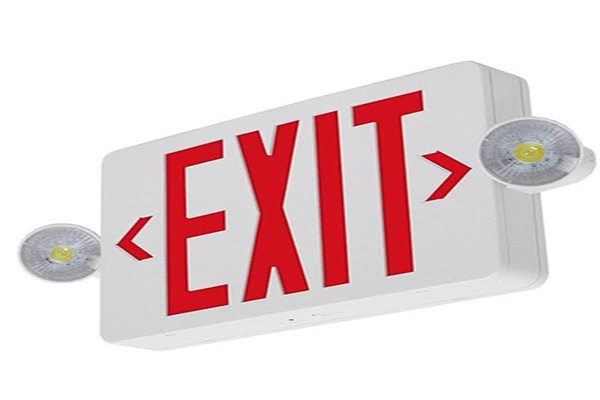
Power outages strike unannounced. However, safety systems should promptly respond whenever they occur. Emergency lighting plays an integral part in guiding occupants, preventing distressful moments, and supporting safer evacuations during emergency situations across residential and commercial buildings alike.
Dependable performance relies on consistent care, adequate testing, and timely upgrades that keep every part prepared to act without disruptions. Property owners across the state emphasize safety and compliance by maintaining reliable systems through emergency light power supply in Washington. This ensures preparedness whenever it matters the most.
Why Emergency Lighting Systems Deserve Proactive Attention
Emergency light systems need to get continuous attention in order to be reliable and compliant. Proactive solutions minimize the risks of a non-controlled failure, extend the life of the system, and protect residents in case of an unexpected power outage or emergency.
Among the reasons to pay proactive attention, it can be noted:
- Ensures occupant safety
- Prevents sudden failures
- Supports code compliance
- Reduces repair costs
- Improves system lifespan
Effective proactive strategies enable reliable systems that bear no failure. Frequent attention enhances emergency light power supply in Washington, reliability, and safety preparedness in the case of unplanned outages.
Ensuring Reliable Emergency Lighting Performance Across Washington
Performance requires regular performance, not just in installation. Frequent checks, enough testing schedules, and maintenance make the systems reliable at a time when it is either a matter of life and death.
Routine Inspection Practices
Periodic maintenance will also make sure that emergency lighting systems are reliable under all conditions. Thoughtful assessment of elements assists in early identification of problems and still remains compliant and can reach further, facility to facility, with emergency light power supply, Washington solutions.
The following checks should always be made in the course of inspection:
- Check battery health
- Inspect wiring connections
- Verify light output
- Review indicator status
Periodical checks provide confidence in the systems, as well as avoiding unexpected breakdowns. Regular testing maintains the reliability of the emergency lighting and keeps occupants of the building from exposure to any danger. This ensures the systems do not fail to meet the necessary safety levels.
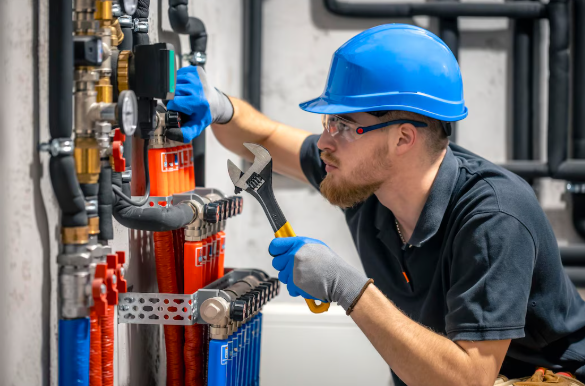
Testing Requirements and Standards
Testing certifies the valid performance of emergency lighting during prevailing conditions and confirms that the systems should work in a normal environment when an outage occurs. Structured schedules would serve to verify the operational readiness of the emergency light power supply in Washington systems before they become critical.
The following are the steps that are normally used in testing procedures:
- Conduct monthly tests
- Perform annual duration
- Simulate power loss
- Record all results
Regular testing provides the systems the ability to react appropriately in an emergency. Compliance is also facilitated by proper documentation and decreases the risks encountered due to unnoticed failures in important lighting infrastructure.
Common Safety Risks and Failures
There are multiple threats associated with emergency lighting systems, and they can be undermined by overlooking them. Failure that affects safety in buildings during emergencies is common in old structures that may be properly installed but not well-maintained.
The most prevalent risks to monitor are:
- Decline in battery performance
- Loose wiring faults
- Fixture physical damage
- Charging system issues
System risks can be identified early to avoid serious safety issues. These problems should be handled quickly so that emergency lights remain in effective operation when occupants need them most.
Importance of Code Compliance
Compliance ensures that emergency lighting systems meet all required safety standards and operate correctly in emergencies. Standards require safety measures that protect occupants as well as assist property owners in escaping the fines imposed due to non-conformance in emergency light power supply systems in Washington.
They should fight compliance in the following:
- Follow state regulations
- Maintain inspection records
- Meet illumination levels
- Pass safety audits
Strict compliance with the rules ensures a successful inspection and contributes to the safety of emergency lights during emergencies.
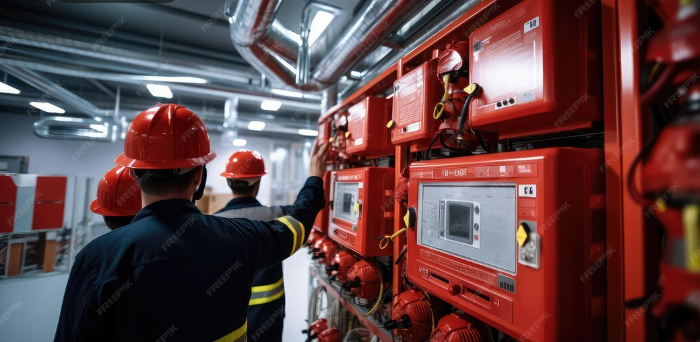
Repair and Maintenance Strategies
The importance of repair and maintenance is to ensure that emergency lighting systems are fully operational. Timely maintenance guarantees that malfunctions are addressed promptly and the overall reliability of the emergency light power supply in Washington installations in various facilities is enhanced.
Strategies of maintenance require:
- Replace faulty batteries
- Repair damaged wiring
- Upgrade old components
- Schedule regular servicing
Effective maintenance activity prolongs the life of the system and avoids the repetition of problems. Timely repairs make emergency lights reliable and effective enough to operate during unforeseen outages or emergencies.
Conclusion
Reliability of emergency lighting extends well beyond its humble functionality in determining the degree to which people can react safely in the event of unforeseen breakages. Considerable preparation, maintenance, and skilled help produce systems that work when needed without a glimmer of hope.
Fire Solution NW delivers dependable inspection, testing, and repair services tailored to Washington’s safety standards. Contact us now to ensure your emergency lighting system is always ready!
Frequently Asked Questions
How long should an emergency lighting power supply last during an outage?
The majority of systems have a lifetime of ninety minutes of illumination and assist in safe evacuation in case of unexpected power disruption.
How often should emergency lighting systems be professionally evaluated?
Professional reviews should be held at least once a year to maintain efficiency, reliability, and consistency with changing safety expectations of the system.
What factors affect emergency light power supply performance over time?
Long-term system performance and reliability are greatly affected by environmental conditions, frequency of use, quality of components, and electrical variations.